- info@bhutancheckin.com
- (+975) 77111408
- 24X7 Support

Showing 25-36 results out of 21 results.
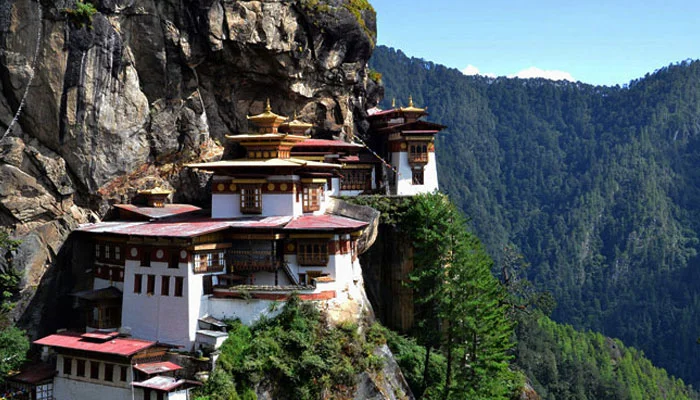
Paro-Thimpu Tour
$850 / Per person
- 4 Days / 3 Nights
- Paro, Thimpu, Punakha
Bhutan, a Buddhist kingdom on the Himalayas’ eastern edge, is known for its monasteries, fortresses (or dzongs) and dramatic landscapes that range from subtropical plains to steep mountains and valleys.
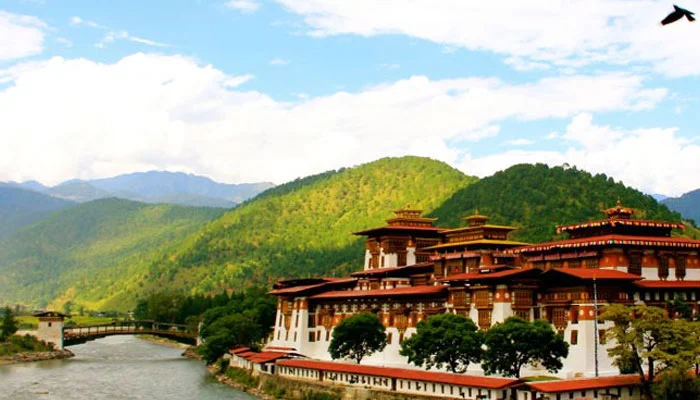
Paro-Gantey Tour
$1315 / Per person
- 6 Days/ 5 Nights
- Paro, Thimpu, Punakha, Gantey
Bhutan, a Buddhist kingdom on the Himalayas’ eastern edge, is known for its monasteries, fortresses (or dzongs) and dramatic landscapes that range from subtropical plains to steep mountains and valleys.
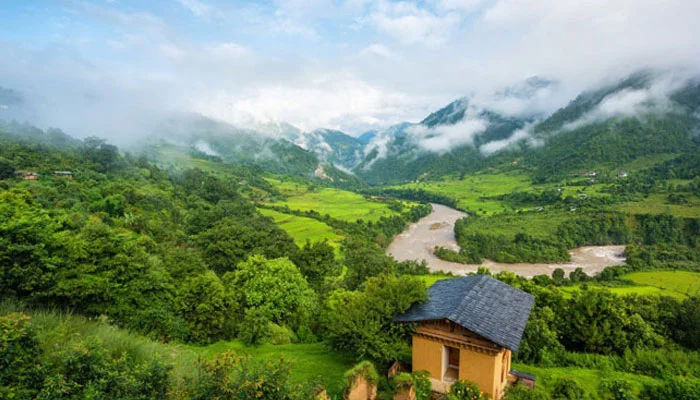
Bhutan’s Nature
$1400 / Per person
- 5 days
- Bhutan
Bhutan, a Buddhist kingdom on the Himalayas’ eastern edge, is known for its monasteries, fortresses (or dzongs) and dramatic landscapes that range from subtropical plains to steep mountains and valleys.
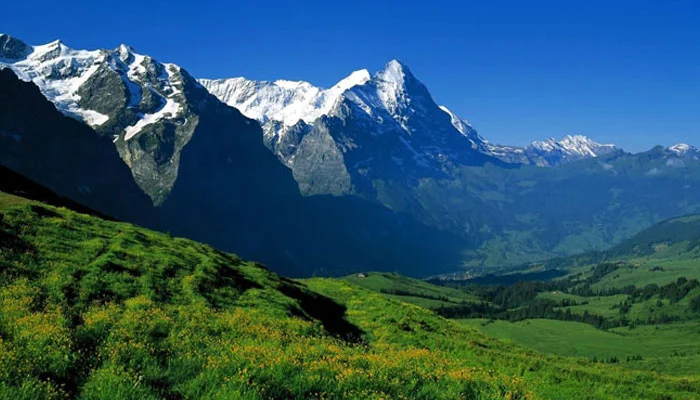
Beautful Bhutan
$2075 / Per person
- 10 Days / 9 Nights
- Bhutan
Bhutan, a Buddhist kingdom on the Himalayas’ eastern edge, is known for its monasteries, fortresses (or dzongs) and dramatic landscapes that range from subtropical plains to steep mountains and valleys.
Bhutan Tour
$2300 / Per person
- 11 Days/ 10 Nights
- Bhutan
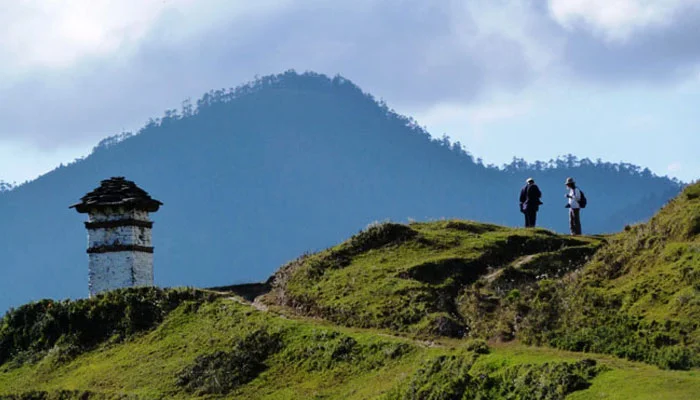
Bhutan, a Buddhist kingdom on the Himalayas’ eastern edge, is known for its monasteries, fortresses (or dzongs) and dramatic landscapes that range from subtropical plains to steep mountains and valleys.
Amazing Bhutan
$2570 / Per person
- 15 Days/ 14 Nights
- Bhutan
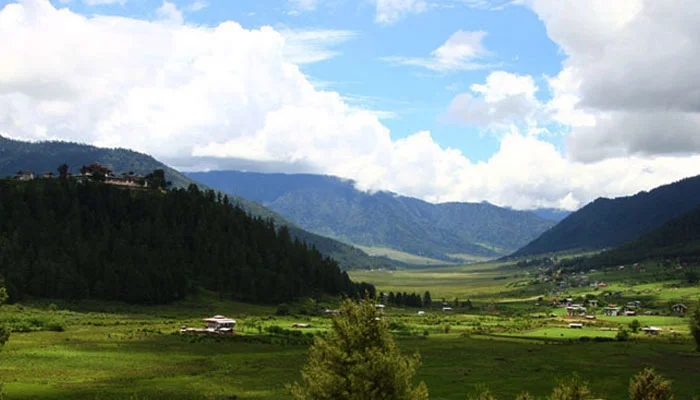
Bhutan, a Buddhist kingdom on the Himalayas� eastern edge, is known for its monasteries, fortresses (or dzongs) and dramatic landscapes that range from subtropical plains to steep mountains and valleys.
Dochu la Festival
$1130 / Per person
- 7 Days / 6 Nights
- Bhutan
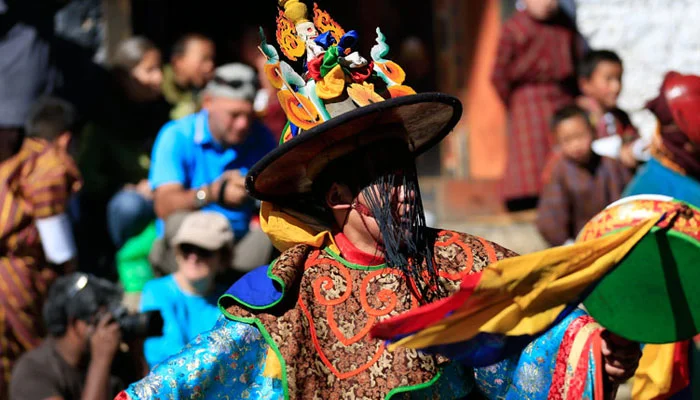
The Dochula Druk Wangyel Festival start from year 2011 and the festival will take place every year on December 13 at the Druk Wangyel Lhakhang’s Festival ground.
Gangtey Tshechu
$1625 / Per person
- 8 Days / 7 Nights
- Bhutan
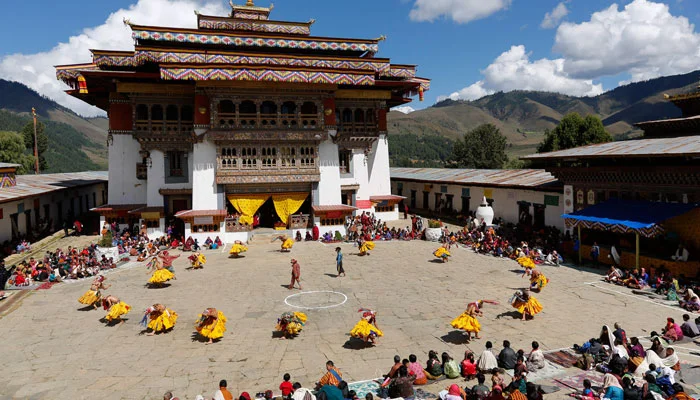
Gangtey Tshechu is also celebrated to commemorate the great deeds of 8th century Tantric master Guru Padmasambhava who is credited in spreading of Mahayana Buddhism in entire Himalaya region.
Jakar Festival
$2300 / Per person
- 11 Days/ 10 Nights
- Bhutan
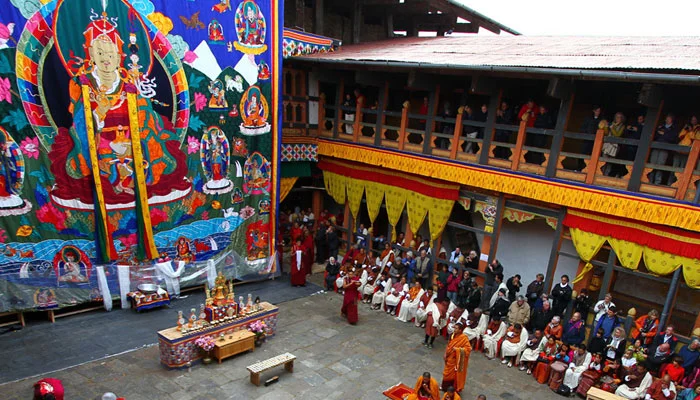
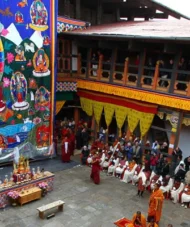
The Jakar festivals begin with the famous mask dances. Festival will be held on auspicious day and months in the Bhutanese calendar, and last up to four days in which a series of highly stylized masked dance rituals are performed, who introduced Buddhism to Bhutan in the 8th century.
Jambay Lhakhang Drup
$2300 / Per person
- 11 Days/ 10 Nights
- Bhutan
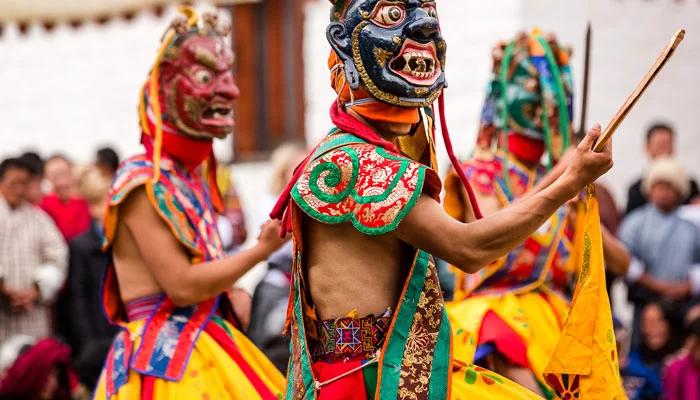
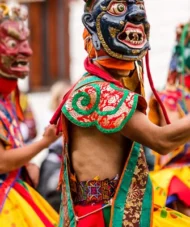
Kingdom of Bhutan was founded by, Songtsen Gampo, a Tibetan King in the 7th century AD. The king was destined to build 108 temples known as Thadhul- Yangdhul (temples on and across the border) in a day to subdue the demoness that was residing in the Himalayas.
Kurjey Tshechu
$2075 / Per person
- 10 Days / 9 Nights
- Bhutan
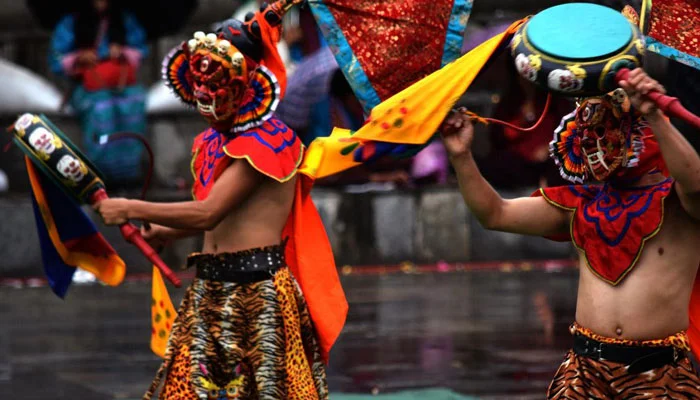
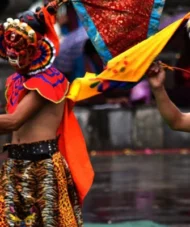
Kurje Tshechu is annually celebrated on 10th day of 5th months in Bhutanese calendar. The complex is surrounded by 108 chortens, transforming it into a three dimensional Mandala patterned on the lines of the Samye Monastery in Tibet, “ Kur†means body and “Jey†its print-it is here that guru pabmasabhave meditated when he first visited the country.
Paro Festival
$on request / Per person
- 10 Days / 9 Nights
- Bhutan
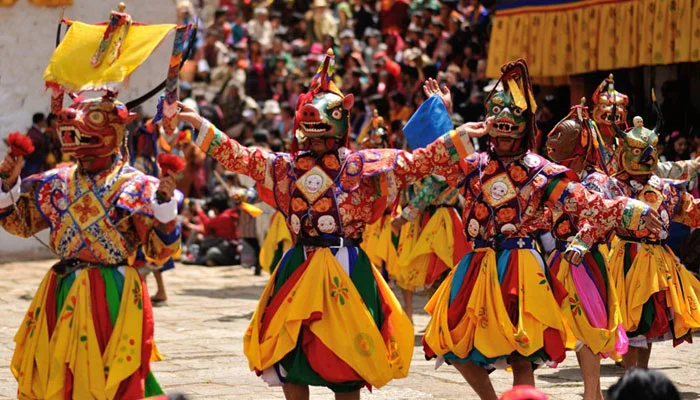
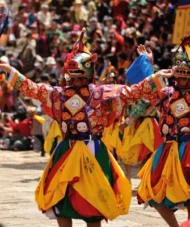
This Festival is celebrated in honor of “Guru Padmasambhava†one who was born from a lotus flower popularly known as “Guru Rinpoche†(The Precious Teacher).

Paro-Thimpu Tour
$850 / Per person
Bhutan, a Buddhist kingdom on the Himalayas’ eastern edge, is known for its monasteries, fortresses (or dzongs) and dramatic landscapes that range from subtropical plains to steep mountains and valleys.

Paro-Gantey Tour
$1315 / Per person
Bhutan, a Buddhist kingdom on the Himalayas’ eastern edge, is known for its monasteries, fortresses (or dzongs) and dramatic landscapes that range from subtropical plains to steep mountains and valleys.

Bhutan’s Nature
$1400 / Per person
Bhutan, a Buddhist kingdom on the Himalayas’ eastern edge, is known for its monasteries, fortresses (or dzongs) and dramatic landscapes that range from subtropical plains to steep mountains and valleys.

Beautful Bhutan
$2075 / Per person
Bhutan, a Buddhist kingdom on the Himalayas’ eastern edge, is known for its monasteries, fortresses (or dzongs) and dramatic landscapes that range from subtropical plains to steep mountains and valleys.
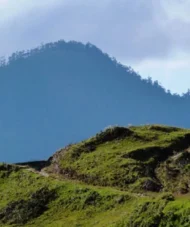
Bhutan Tour
$2300 / Per person
Bhutan, a Buddhist kingdom on the Himalayas’ eastern edge, is known for its monasteries, fortresses (or dzongs) and dramatic landscapes that range from subtropical plains to steep mountains and valleys.
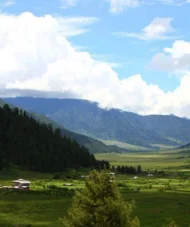
Amazing Bhutan
$2570 / Per person
Bhutan, a Buddhist kingdom on the Himalayas� eastern edge, is known for its monasteries, fortresses (or dzongs) and dramatic landscapes that range from subtropical plains to steep mountains and valleys.
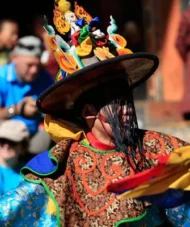
Dochu la Festival
$1130 / Per person
The Dochula Druk Wangyel Festival start from year 2011 and the festival will take place every year on December 13 at the Druk Wangyel Lhakhang’s Festival ground.
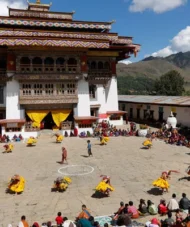
Gangtey Tshechu
$1625 / Per person
Gangtey Tshechu is also celebrated to commemorate the great deeds of 8th century Tantric master Guru Padmasambhava who is credited in spreading of Mahayana Buddhism in entire Himalaya region.
Jakar Festival
$2300 / Per person
The Jakar festivals begin with the famous mask dances. Festival will be held on auspicious day and months in the Bhutanese calendar, and last up to four days in which a series of highly stylized masked dance rituals are performed, who introduced Buddhism to Bhutan in the 8th century.
Jambay Lhakhang Drup
$2300 / Per person
Kingdom of Bhutan was founded by, Songtsen Gampo, a Tibetan King in the 7th century AD. The king was destined to build 108 temples known as Thadhul- Yangdhul (temples on and across the border) in a day to subdue the demoness that was residing in the Himalayas.
Kurjey Tshechu
$2075 / Per person
Kurje Tshechu is annually celebrated on 10th day of 5th months in Bhutanese calendar. The complex is surrounded by 108 chortens, transforming it into a three dimensional Mandala patterned on the lines of the Samye Monastery in Tibet, “ Kur†means body and “Jey†its print-it is here that guru pabmasabhave meditated when he first visited the country.
Paro Festival
$on request / Per person
This Festival is celebrated in honor of “Guru Padmasambhava†one who was born from a lotus flower popularly known as “Guru Rinpoche†(The Precious Teacher).